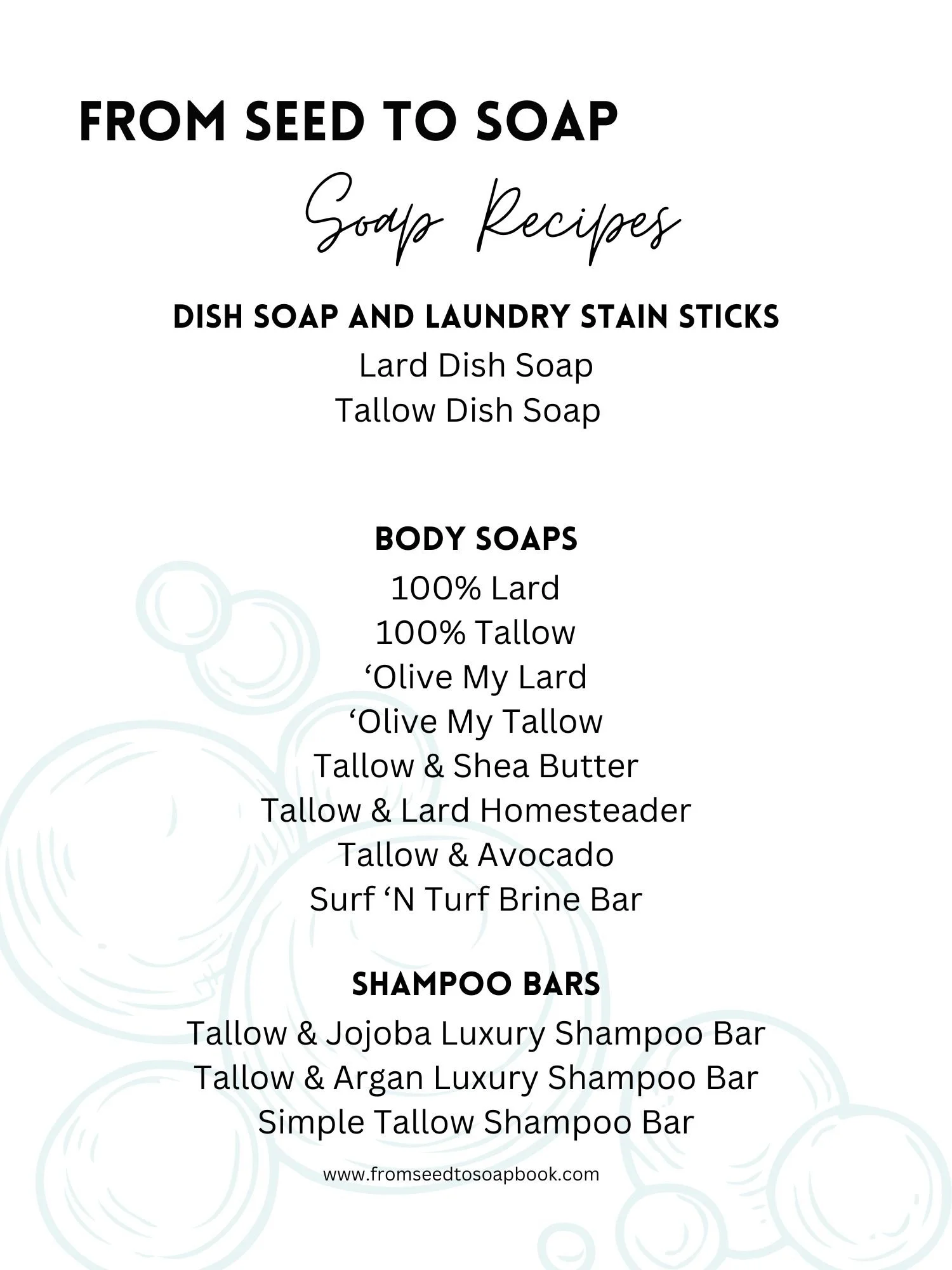
The Secret to a Luxury Sea Salt Bar
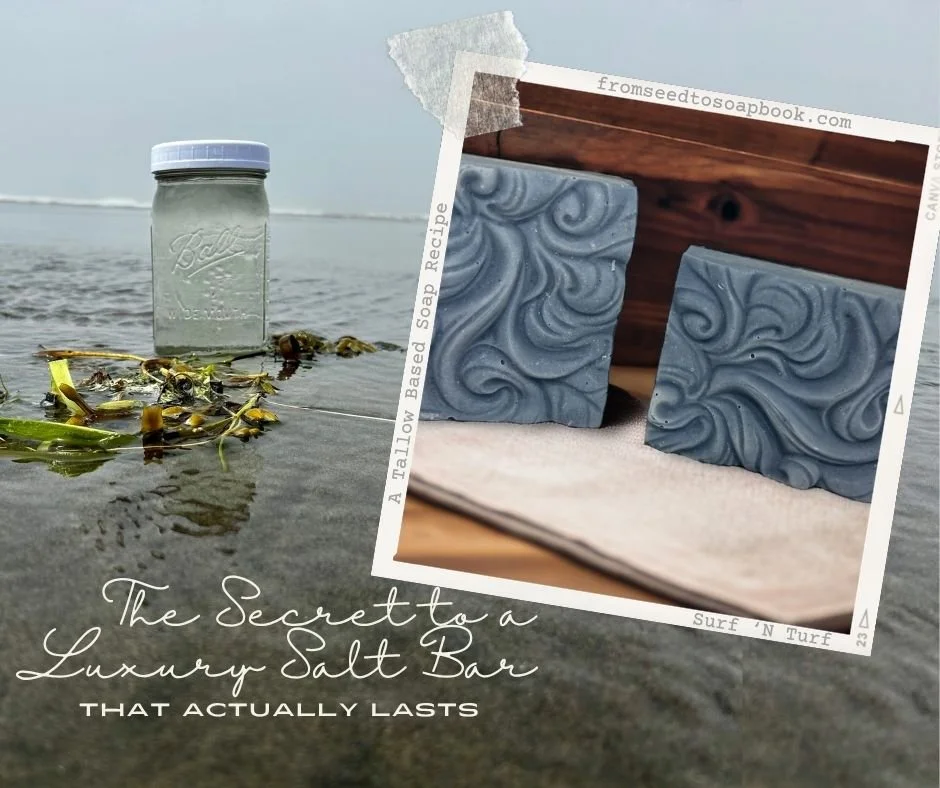
Have you ever wanted to make a sea salt soap? Salt bars are the ultimate luxury spa bars—they are incredibly gentle and have a unique feel. But if you’ve ever tried to formulate or make one, you know there is a LOT going on under the surface.
{Let me preface this by saying there is a lot of 'soap talk' in this post. If you don’t understand it yet, but want to, you definitely need my complete soapmaking book—it breaks down the chemistry and includes every one of my master recipes.} New to soapmaking or only have a few batches under your belt? Work through some of my beginner recipes before taking on a salt bar! Salt bars are a bit more complicated and come to trace very quickly.
Salt Soap Formulating
When I first experimented with making a sea salt bar, I used a free online recipe that I share below:
75% coconut oil, 25% olive oil, 20% superfat, and 50% salt (part to create a brine and part added at trace for exfoliation).
It was a great starting point, but I had one major disappointment: it went down the drain way too fast. This is a known downfall of high coconut and high olive oil soap formulations.
I’ve let these cure for over a year and they are still a short lasting soap. Some claim that a very long cure period increases longevity—I have not found that to be true. Plus, who wants to wait a year to use soap? A recipe that is correctly formulated with oils or fats known for longevity is the only sure way to produce a long lasting bar of soap.
You'll see this recipe is laid out in two different formats—the same ones I use for the 14 master recipes in the book From Seed to Soap. I put a lot of thought into this layout to make it as user-friendly as possible.
What exactly is 50% salt? If your oil weight is 2 lbs—you’re adding half that amount of salt - a full pound to that batch!
Pro Tips:
Plan ahead to make sure you have enough space in your soap molds to account for that extra volume!
Always pour salt bars in individual cavity molds as the batter comes to trace very quickly and the soap becomes hard quickly. Pouring into a loaf mold can mean finding a brick of soap too hard to cut within hours of pouring it.


My Re-Formulation
I spent months ruminating on the chemistry of ingredients. I loved salt bars so much I did ACTUALLY want to solve the problem of luxury salt bars that disappear too quickly. I knew the trade-offs and the properties of my three main ingredients.
Salt is a bubble buster. I needed to carefully balance oils that are known for great bubbles with an oil that is known for creating a longer lasting bar of soap.
Coconut Oil is a bubble maker, but using too much can be drying and causes the bar to disappear quickly.
Tallow makes a hard, long-lasting bar, but it’s naturally lower on the bubble making.
Castor Oil is a known bubble stabilizer, which helps bubbles last longer.
I wanted it all: the exfoliation, the big bubble and creamy lather PLUS a bar that survives more than a week in the shower.
Meet the Surf ‘n Turf Bar
After months of testing, I perfected my brine bar. I call it Surf ‘n Turf—a play on words for the saltwater (brine), the sea salt for exfoliation, and the tallow from the land. It is the perfect balance of land and sea, designed to nourish the skin without vanishing down the drain.
Just the Recipes (The Excerpt)
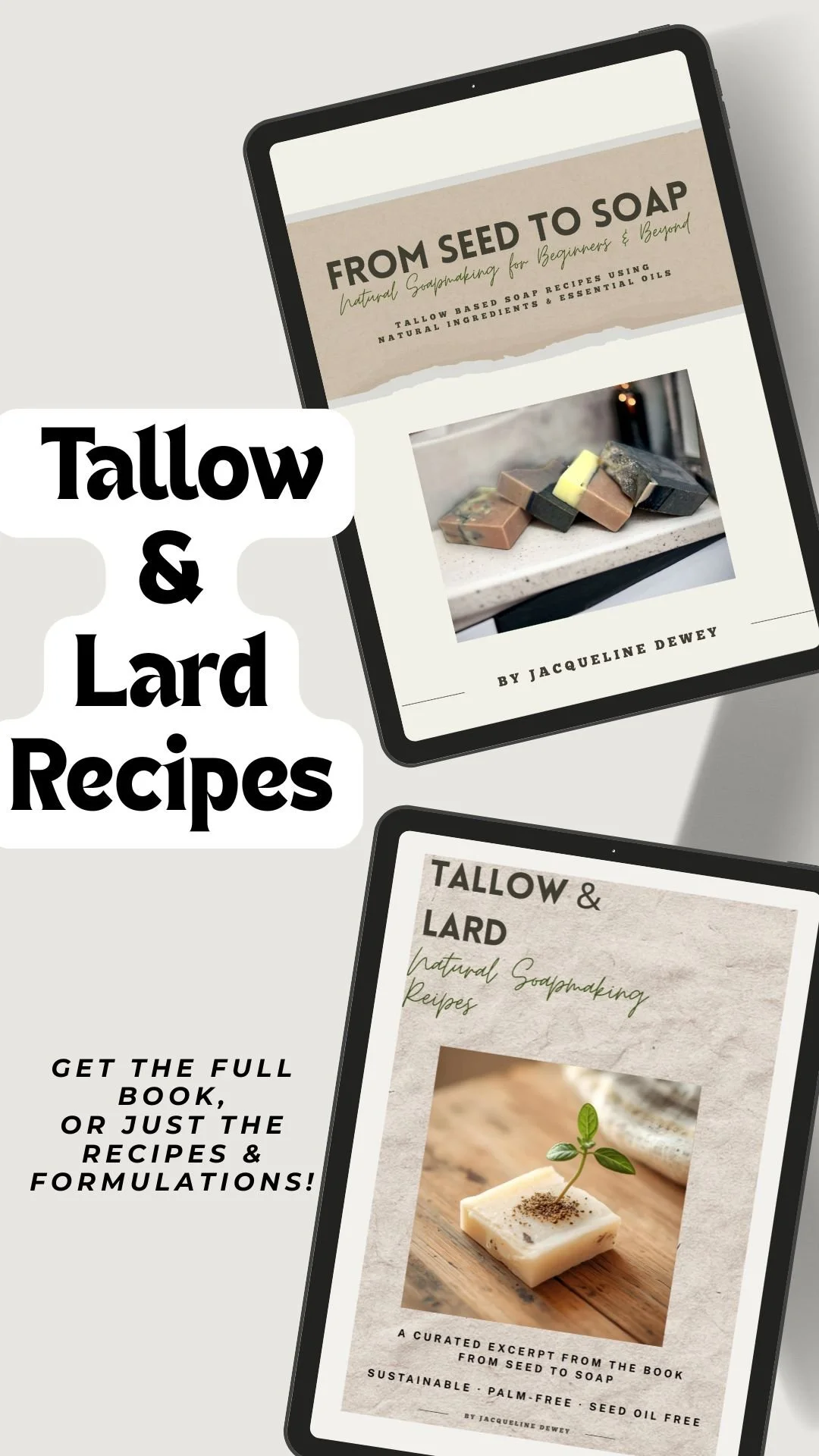
If you are an experienced maker and just want the "Surf 'n Turf" formulation plus 13 of my other master recipes (no explanations included), the digital excerpt is for you.
The Complete Soapmaking Book
If you want the "why" behind the chemistry, the step-by-step tutorials, and the full 200-page guide to traditional soapmaking, you need the complete book, From Seed to Soap.
Want a physical book? I have them in my store, or you can order from Amazon.
Perfecting the Brine
Prepare the Salt Solution: Dissolve the recommended amount of sea salt in water. It's OK if some salt doesn't fully dissolve. Use a plastic container for this step, as salt can damage glass and cause it to shatter or etch (ask me how I know). Salt corrodes metal, so plastic really is best.
Speed Up Dissolution: Dissolving salt in water can take time. To accelerate the process, place the solution in a plastic bottle with a lid and shake it, which is more effective than stirring. I always make ahead of time and label the container.
Alternative Option: If you have access to ocean water, you can use it instead of making your own salt solution. Boil the seawater for 10 minutes the day before to ensure purity, then allow it to cool. Strain the cooled water through a coffee filter. If using ocean water, you will still need to add additional salt to the soap mixture after reaching trace.
If you’re using locally sourced water from a fresh spring or beach, boil it for ten minutes and let it cool completely. Strain it to minimize contamination. Never use warm water when making a lye solution. Always use room temperature or cold water or water replacements.
Ready to Level Up Your Salt Bar?
If you're just starting out, the free recipe is a fantastic way to practice handling a heavy salt load. But if you are ready to stop watching your hard work wash down the drain, my perfected recipe: Surf 'n Turf is the answer. It combines everything you love about a sea salt bar with the longevity of traditional land fats for a bar that is quite literally - perfect.
You can find the specific "Surf 'n Turf" ratios—along with the rest of my master formulations—in the Digital Excerpt, or get the full educational experience in From Seed to Soap.
You’ll find every one of my perfected formulations inside, whether you grab the full book or the focused excerpt. This includes favorites like 'Olive My Tallow,' a meticulously balanced blend of olive oil and tallow (plus a couple more fats and oils!) designed for a superior, skin-loving lather.
Happy soaping!