How to Infuse Frankincense Resin into Oil: A Step-by-Step Guide
How to Infuse Frankincense Resin (and Other Resins) into Oil: A Step-by-Step Guide
Infusing Frankincense resin into oil is a simple process that allows you to extract the beneficial compounds from the resin while avoiding the overuse of essential oils. This method works for other resins as well, making it a versatile technique for creating a range of infused oils. Here’s a step-by-step guide to infusing Frankincense resin (or other resins) in oil:
Materials You’ll Need:
Frankincense resin (about 10 grams for every 1/2 cup of oil)
Carrier oil (jojoba oil, tallow, or olive oil are good options)
A clean glass jar or container (for infusion)
A fine mesh strainer or cheesecloth (for filtering)
A double boiler
Steps to Infuse Frankincense Resin into Oil:
1. Prepare the Resin
Break the Frankincense resin into smaller pieces. This increases the surface area, allowing for better extraction of beneficial compounds, ensuring a more potent infusion.
To break down Frankincense resin, place the pieces in a ziplock bag and gently tap with a hammer to crush them into smaller chunks. Then, use a grinder (like a mortar and pestle or spice grinder) to further grind it into a finer powder if needed. Alternatively, you can skip the grinding process and buy pre-ground resin for convenience, though fresh grinding ensures better quality and control over texture.
2. Combine the Resin and Oil
Add the Frankincense resin pieces to a clean glass jar. Pour or scoop the carrier oil over the resin until it is fully covered. For every 10g of resin, use about 100 ml of carrier oil (roughly equivalent to 1/2 cup). This amount of oil provides an ideal ratio for proper infusion.
3. Infuse the Oil
Heat Infusion Method (Quick Method):
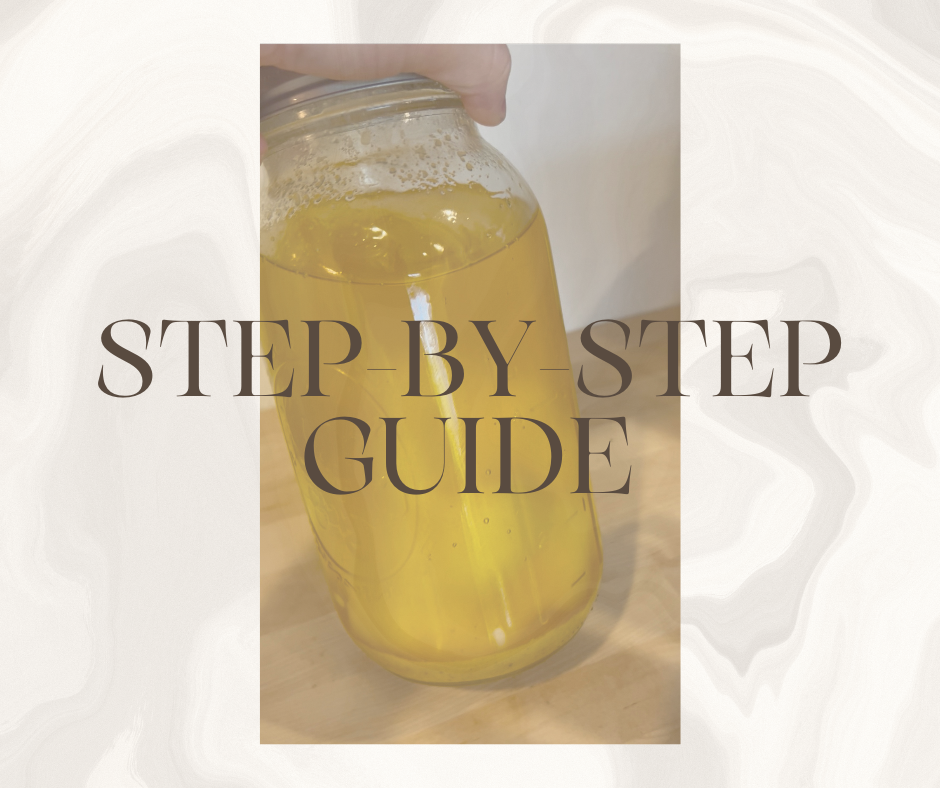
Place the jar with the resin and oil in a double boiler. Gently heat the oil for 2–4 hours on low heat, ensuring the oil doesn’t boil. Stir occasionally and keep the temperature low to preserve the resin's beneficial compounds. Alternatively, you can use a slow cooker set to the warm setting for a more consistent and controlled infusion. Be sure to fill the slow cooker with water and place a trivet on the bottom to prevent the heat-safe jar from making direct contact with the bottom of the slow cooker. With either method, be sure to check the water levels regularly and add water as needed to ensure proper and even heating throughout the 2-4 hour infusion process. This will help maintain a consistent temperature and protect the oil from overheating.Cold Infusion Method (Slow Method):
If you prefer a slower, more traditional method, simply place the jar in a warm, sunny spot (such as a windowsill) and let it infuse for about 30-45 days. Shake the jar gently every day to mix the contents and promote a thorough infusion. This method works best with liquid oils (not tallow).
4. Strain the Oil
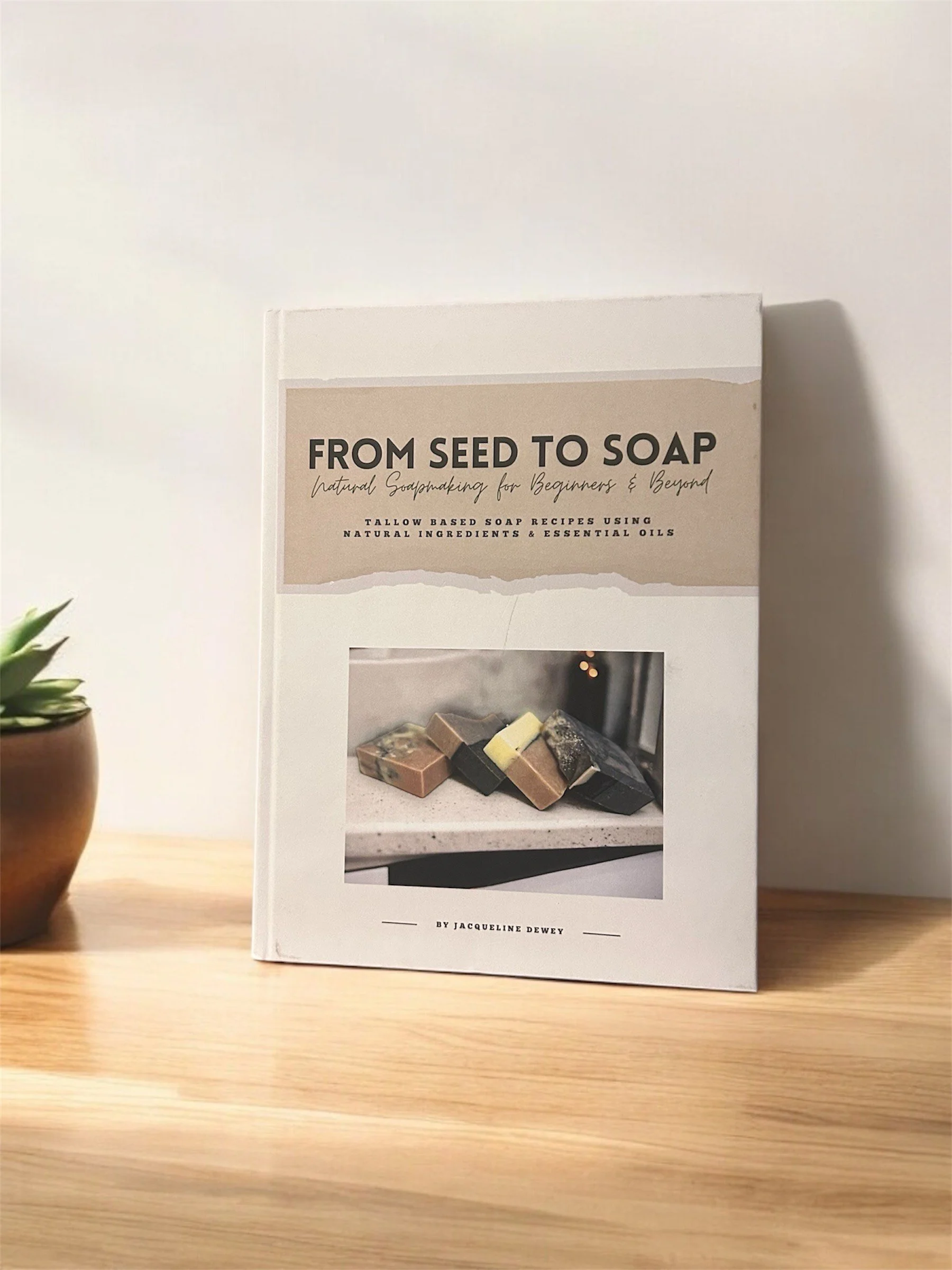
Once the resin has infused into the oil, strain the mixture through a fine mesh strainer to remove the solid pieces of resin. You can use the infused oil immediately or store it for future use. I use the oil in my balm recipe, which can be found in my book, From Seed to Soap.
5. Store the Infused Oil
Transfer the filtered Frankincense resin-infused oil into a clean, dark glass bottle or jar to protect it from light. Store the oil in a cool, dark place to maintain its potency. The oil should last for several months. Always label your jars with ingredients and date—you’ll forget what you did and when! (Ask me how I know!) It’s helpful to write the ratio of the infusions as well.
You can use the same method to infuse other resins into oil as well, making it a versatile technique for creating various infused oils with different healing properties.
Clean Up
Oil should never go down the drain! (High plumbing bills + environmental concerns). After finishing your infusion process, you'll likely have oil-covered jars, strainers, funnels, and other equipment. I use a spatula to remove as much oil as possible, followed by wiping with paper towels. To clean the jars, I boil water on the stove and pour it into the jars, shaking them to loosen any residual oil. This is especially helpful when infusing tallow, which hardens at low temperatures and can clog fine mesh strainers. I follow the same process for cleaning other oil-covered dishes and always dispose of the water outside to prevent clogging the drain.
Tips:
If you’re using the quick method, be sure not to overheat the oil. Too much heat can degrade the beneficial compounds.
For added benefit, you can infuse other healing herbs alongside Frankincense resin, such as lavender or calendula, for a multi-purpose oil.
To use leftover Frankincense resin, simply add it to your favorite face mask or scrub recipe.
Add leftover resin to cold process soap for exfoliation. Just add 1 tsp of ground resin per pound of soap. To learn how to make cold-processed soap alongside recipes and charts for adding natural colorants and additives, see my book, From Seed to Soap.
Important Note: Frankincense resin infused oils are like liquid gold, save them for leave-on products like oils, balms, or serums. When used in cold processed soaps, the benefits are diminished or lost after saponification. The high heat and chemical reactions during the soap-making process can break down or alter the resin's beneficial compounds, reducing or even eliminating its therapeutic properties. For maximum effectiveness, use these infusions in products that remain on the skin.
To learn more about natural soapmaking and how to create your own high-quality soaps, check out my book, From Seed to Soap.